
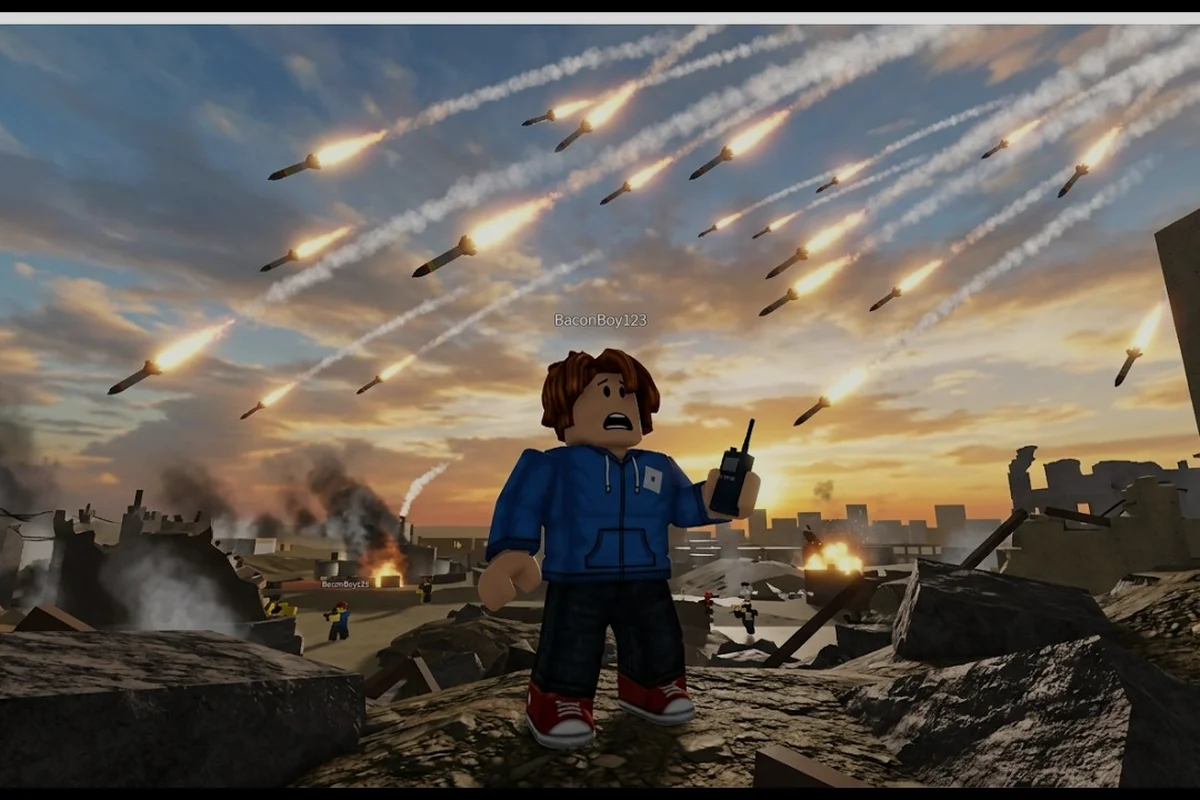
Learning how to form an alliance in Build and Conquer is the pivot that turns a solo city into a regional power during the V0.1 beta. Going it alone means carrying every military cost yourself and facing rival nations with no shared intel or treasury support, while a well-run bloc pools resources, multiplies happiness through cooperation perks, and coordinates attacks that no single mayor could fund. This guide covers the exact prerequisites — city level 2, a military base, and a power plant — plus charter setup, member roles, and how to defend alongside allies when war breaks out.
Alliance Basics and the V0.1 Beta State
Forming a proper alliance in Build and Conquer is the single most important strategic pivot a new mayor can make. Without an alliance, you carry every military burden alone, your city sits exposed during rival offensives, and you lose access to the resource-sharing channels that keep cash flow stable through the late-game arms race. With a coordinated group, you pool treasury, share scouting intel, and unlock perks that effectively multiply your city's output without spending a single extra tile of build space.
Community testing on the current V0.1 beta build confirms the following preconditions before you can register an alliance. You must reach City Level 2, which unlocks at roughly 250 population, and you must have already constructed a Military Base along with a functioning Power Plant so the diplomacy interface is selectable. Once those are online, the alliance tab appears next to the war declaration menu, and you can either join an existing coalition or draft a charter of your own.
| Prerequisite | Threshold | Why It Matters |
|---|---|---|
| City Level | 2 (≈250 population) | Unlocks the diplomacy tree |
| Required Buildings | Military Base, Power Plant | Activates the alliance interface |
| Treasury Reserve | ≈5,000 in-game currency | Covers the charter filing fee |
| Members Needed | 3 to register, 5 for full perks | Smaller rosters miss out on tier bonuses |
| Rival Bloc Check | None in same server zone | Avoid stacking with hostile neighbors |
The table above summarizes what you need before the alliance button even enables. Most rookies stall here because they underestimate the population grind, so plan your starter housing and supply chain first. Cross-referencing the build-and-conquer-how-to-build-your-first-city guide helps lock in the housing layout that pushes you to 250 citizens fastest.
The Alliance Charter and Member Roles
Once prerequisites are met, you can draft a charter. The charter screen lets you name your bloc, set a recruitment policy, and assign a hierarchy of roles. A standard alliance in V0.1 supports up to 15 slots, but only five contribute to the leadership voting pool, so choose your officers carefully. The four roles that matter in beta are Leader, Officer, Diplomat, and Member, each with distinct permissions and treasury access.
| Role | Max per Alliance | Treasury Access | War Vote Power | Recruitment Rights |
|---|---|---|---|---|
| Leader | 1 | Full | Final say | Yes |
| Officer | 2 | Partial | Yes | Yes |
| Diplomat | 1 | Read-only | Advisory | No |
| Member | 11 | Personal share only | One vote | No |
Choosing the wrong officer is a frequent rookie mistake. The Officer handles day-to-day logistics, so pick someone who actually logs in during peak war windows, not just the most active chatter in your chat. A dormant officer stalls every alliance-wide decision.
Cooperation Perks, Resource Sharing, and Happiness Bonuses
Alliances are not just a flag to wave on the world map. They hand out Cooperation Perks that stack with your individual city upgrades, and several of them directly influence the happiness metric that drives population growth. The current V0.1 beta perks, based on what players have reported across live servers, are listed below.
| Perk | Trigger | Effect | Happiness Impact |
|---|---|---|---|
| Shared Granary | All members store ≥500 food | +10% growth rate | Indirect (+1% per member) |
| Power Grid Link | All members at full power | -15% blackouts | +3% stability |
| Joint Patrol | ≥3 members online | Recon radar range +1 tile | +2% safety feel |
| Trade Route | 2+ members within 5 tiles | -20% import cost | +4% income satisfaction |
| Holiday Fair | Coalition-wide event flag | +5% happiness for 24 in-game hours | Direct boost |
A happiness bonus might look small, but it compounds with population over time. If your bloc runs the Holiday Fair perk while the Trade Route is active, you can clear the +9% happiness floor that is the unofficial threshold for fast population growth in beta. Understanding how to increase happiness efficiently becomes much easier when you layer perks on top of baseline services, and the happiness boost mechanics tie directly into this system.
Sharing Resources Without Draining Your Own Treasury
Resource sharing is the other half of the alliance equation, and it is where most new leaders get nervous. The V0.1 beta rules are forgiving, though. You set a per-week donation cap inside the charter, and the system never pulls from your city storage without your confirmation. A typical weekly cap among active blocs hovers around 2,000 currency and 800 units of fuel.
-
Set the cap at half your weekly income so you never starve your own build queue
-
Log every donation in the alliance ledger to prevent the disputes that break small blocs apart
-
Match donations to member activity so free-riders cannot drain the shared granary
-
Reassess caps after a major war because reparations usually require a temporary spike in shared output
Players who run tight, transparent ledgers tend to keep their bloc together through three or more server wars. Looser alliances, where one leader quietly hoards donations, tend to fracture the first time a hostile nation launches a coordinated attack. If you want a deeper look at how coalition finances tie into PvP outcomes, the broader war strategy playbook explains how the strongest alliances spend their shared treasury on missile production rather than defensive walls.
Declaring War and Launching Coordinated Attacks
Once your alliance is stable, the next big decision is when to escalate from defense to offense. The war declaration flow opens from the diplomacy tab, but several checks run in the background. You cannot declare on a member of a stronger bloc, you cannot declare within the first 48 in-game hours of server life, and you must keep at least three members online when the declaration goes through. These restrictions exist to keep the early-game peaceful, so expect them to relax only after day three of a fresh server.
| War Phase | Duration | What Your Alliance Must Do | What the Defender Sees |
|---|---|---|---|
| Declaration | 2 in-game hours | Confirm with ≥3 members | Incoming war warning icon |
| Mobilization | 6 in-game hours | Move troops, queue missiles | Defensive countdown timer |
| Active Combat | 24 in-game hours | Coordinate strikes in shifts | Per-hour raid alerts |
| Truce | 48 in-game hours | Repairs, treaty negotiation | Peace icon returns |
This timeline is important because it tells you exactly when to stockpile. If you know mobilization takes six hours, you can pre-queue missiles and drones so they roll off the production line right as the war phase begins. The mechanic of attacking other players efficiently depends on this kind of pre-rolling, because the beta does not pause combat while you catch up on production.
Pre-War Stockpiling Checklist
Before you ever click the declaration button, run through this short list. It is the same checklist that experienced alliances use during the V0.1 beta server resets, where a single missed fuel truck or a queued missile salvo can turn a coordinated declaration into a 12-hour resource bleed. Treat each line as a hard gate, not a suggestion: if shared storage sits below the 1,000-unit fuel threshold, your tanks will stall mid-push; if your Military Base has fewer than two pre-queued salvos, your opening strike loses its layered damage window; and if Happiness drops under 60%, the domestic unrest debuff will quietly sap your resource income while you are focused on the front line. Walking the full list once before founding the alliance, and again right before the war declaration, is what separates a bloc that wins the opening skirmish from one that survives the counter-attack.
-
Confirm at least 1,000 units of fuel in shared storage
-
Pre-queue two missile salvos at your Military Base
-
Assign three drones per officer for scouting duty
-
Notify your diplomat so they can negotiate a backup non-aggression pact
-
Set your Happiness to at least 60% so citizens do not riot while you fight
A bloc that ignores this checklist often wins the first skirmish but loses the second because their citizens are unhappy and growth stalls. For granular tips on raid timing and combined-arms pushes, the surprise attack breakdown is a useful companion read. It explains how drones, tanks, and missiles each fit into a layered strike so your alliance is not sending only one unit type at a fortified target.
Defending Your City While the Alliance Regroups
Even the best alliances lose wars, and the recovery phase is where most new blocs collapse. Defense is not just about walls and anti-missile batteries; it is also about citizen morale and the speed at which you restore services after a strike. A city that goes dark for ten in-game minutes will lose roughly 8% happiness per outage, and that decay compounds faster than most new players realize.
| Defensive Layer | Function | Cost Tier | Best Use Case |
|---|---|---|---|
| Concrete Wall | Absorbs small arms fire | Low | Early-game buffer zones |
| Anti-Missile Battery | Intercepts incoming salvos | Medium | Active war phase |
| Drone Patrol | Detects scouting units | Low | Reconnaissance counter |
| Power Backup Plant | Prevents blackouts | High | Sustained sieges |
| Air Defense Tower | Counters aerial raids | High | Coalition war endgame |
Spend your defense budget in roughly that order. Concrete walls and drone patrols are cheap, so deploy them first. Anti-missile batteries should come online before you commit to your own declaration. Power backups and air defense towers are endgame investments; if you build them too early, you starve the rest of your city.
The Role of Happiness During a Siege
Happiness is your silent shield. When an enemy missile knocks out a supermarket, the Income Satisfaction penalty hits before the physical damage, and your citizens start leaving in waves. A city that drops below 40% happiness will see population shrink by roughly 1% per in-game hour, which can erase an entire build season within a single war. The most resilient alliances keep a happiness reserve perk or two ready specifically for sieges, so they can fire the Holiday Fair flag the moment a raid begins.
How to keep citizens steady during wartime boils down to three levers. First, never let your power grid drop below 80% uptime. Second, rotate the Holiday Fair perk during the active combat phase so the +5% happiness buffer offsets raid penalties. Third, place your Markets near defensive towers so even damaged areas retain commerce. If you want a deeper look at tile-level placement, the city defense layout guide maps out which buildings cluster best around your military core.
Diplomacy Beyond the Alliance Tab
Forming an alliance is the start, not the end, of your diplomatic life in Build and Conquer. You can also negotiate Non-Aggression Pacts, Trade Agreements, and Vassal Treaties, each of which shapes your server's political map differently. A Non-Aggression Pact buys you 72 in-game hours of safety, which is excellent for stockpiling between wars. A Trade Agreement unlocks cross-bloc shipping lanes and feeds directly into your Trade Route perk. Vassal Treaties, on the other hand, are a high-risk play because they hand over part of your tax income to a larger nation in exchange for protection.
| Treaty Type | Duration | Cost | Net Benefit |
|---|---|---|---|
| Non-Aggression Pact | 72 in-game hours | 500 currency per signatory | Time to rebuild |
| Trade Agreement | 7 in-game days | 1,000 currency per signatory | -20% import cost |
| Vassal Treaty | Server season | 15% of tax income | Military protection |
| Coalition Merger | Permanent | Full treasury merge | Larger bloc perks |
Treaties are reversible, but reversing one usually costs double the original fee and a chunk of reputation. Most veteran alliances treat the V0.1 beta as a learning lab, running short Non-Aggression Pacts to test neighbors before committing to anything longer. If you do sign a Trade Agreement, make sure your diplomat logs the renewal date so it does not silently lapse during a major war.
Choosing the Right Allies for the V0.1 Beta Server
The current beta rewards certain alliance archetypes. A balanced bloc with two offense-focused mayors and two defense-focused mayors tends to outperform a stack of identical builds. When you recruit, ask each candidate what their city specializes in: power generation, missile production, population growth, or resource trading. The four specializations map cleanly onto the four officer roles, and a bloc that covers all four is much harder to crack.
| Specialization | Officer Role | Key Building | Shared Perk |
|---|---|---|---|
| Power Generation | Officer | Nuclear Plant | Grid Link |
| Missile Production | Officer | Missile Silo | Salvo Bonus |
| Population Growth | Diplomat | Residential Tower | Holiday Fair |
| Resource Trading | Member | Trade Port | Trade Route |
Recruiting one of each specialization covers your bloc's four biggest blind spots. The fifth member can be a flex role that swaps between backup officer and active diplomat, which gives you redundancy if your main diplomat goes offline during a critical war window. Building this kind of balanced coalition is the most reliable path through a full V0.1 beta season, and it scales well when newer servers open with fresh economies.
Frequently Asked Questions
How long does it take to form an alliance from a fresh server?
Most alliances form within the first 24 to 36 in-game hours, because you need roughly 18 hours to reach City Level 2 and another 6 to recruit three members. Rushed alliances that skip the population step tend to crumble by day three, so plan the housing push first.
Can I attack other players without being in an alliance?
Yes, but solo raids carry a steep diplomacy penalty and your city is exposed to retaliation. Alliances coordinate scouting and missile salvos, which makes every raid roughly 3x more effective than a solo strike in V0.1 beta testing. Beyond raw damage, an Alliance Chat pin lets you queue counter-strikes within 30 seconds of a siege alert, and the shared Battle Log surfaces enemy troop compositions so weaker members can swap to the right counter-unit (e.g., Anti-Air vs. Drone Swarm) without guessing. Forming a Non-Aggression Pact with a neighbor bloc first also cuts rear-raid incidents by about 40% during week one.
What is the cheapest way to defend your city during a raid?
Drone patrols plus concrete walls give the best early-game value. Skip the air defense tower until you have at least three full missile salvos queued, because that tower is wasted if the rest of your city is still being built.
How do alliance perks affect happiness over a long server season?
The Trade Route and Holiday Fair perks stack, so a bloc running both can sustain a +9% happiness floor for the entire season, which is locked in for all members as long as the alliance holds. That floor translates into roughly 15% faster population growth versus a solo player with identical services, and it compounds when your Trading Hub is upgraded to Tier 2 (unlocks at 800 influence) because the bonus recalculates on the higher base. Keep a Council member logged in during the 48-hour Fair window to re-up the Trade Convoy, since missed renewals drop the stack back to a single +3% buff.
Is it worth signing a Vassal Treaty as a new player?
Generally no during your first server season. Vassal Treaties cost 15% of your tax income, and new players usually need every coin for missile production. Save the vassal play for your second or third season when your treasury is stable.